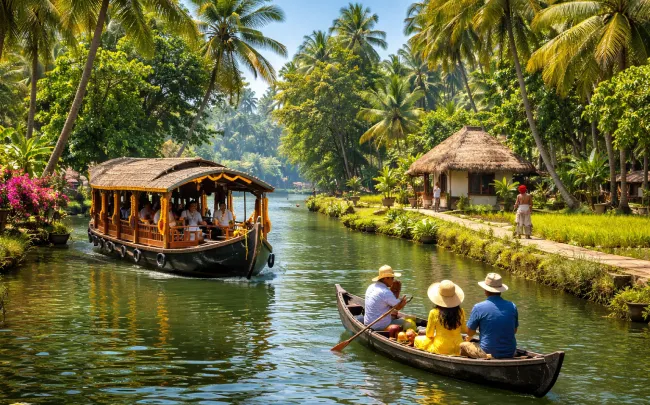
Alleppey Village Tour: Walk the Paddy Fields
Want to see the real Kerala? Most people just sit on a boat and watch the world go by. That’s fine, but you’re here for the soul of the place. You want to know how to actually meet the locals and step into those famous green fields. The good news? An Alleppey village tour is easier than you think. You just need to know when to hop off the deck.
Table Of Contents:
| SL No | Sections |
|---|---|
| 1 | How to Meet Locals on Your Alleppey Village Tour |
| 2 | Can I Actually Walk in the Paddy Fields? |
| 3 | Getting Closer via Small Boats |
| 4 | Final Thoughts |
| 5 | FAQ |
How to Meet Locals on Your Alleppey Village Tour
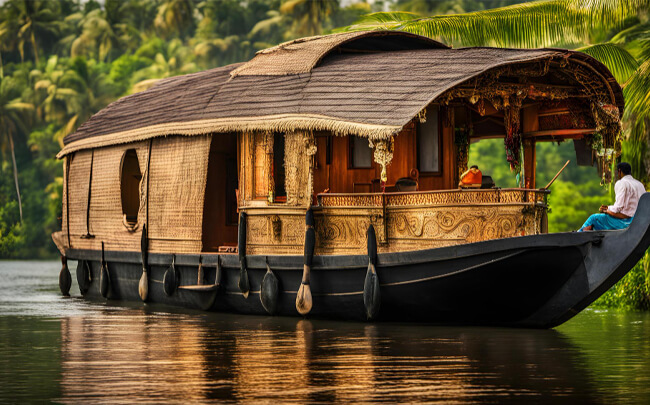
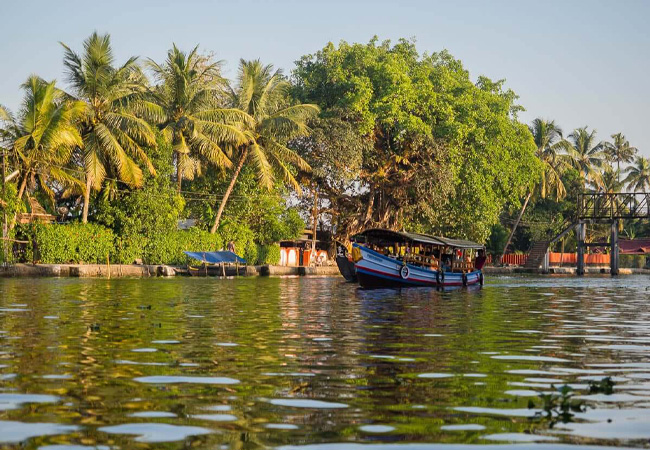
The backwaters aren’t just a postcard; they’re a neighborhood. When you book an Alleppey village tour, you aren’t just a spectator. Your boat is essentially floating through someone’s front yard.
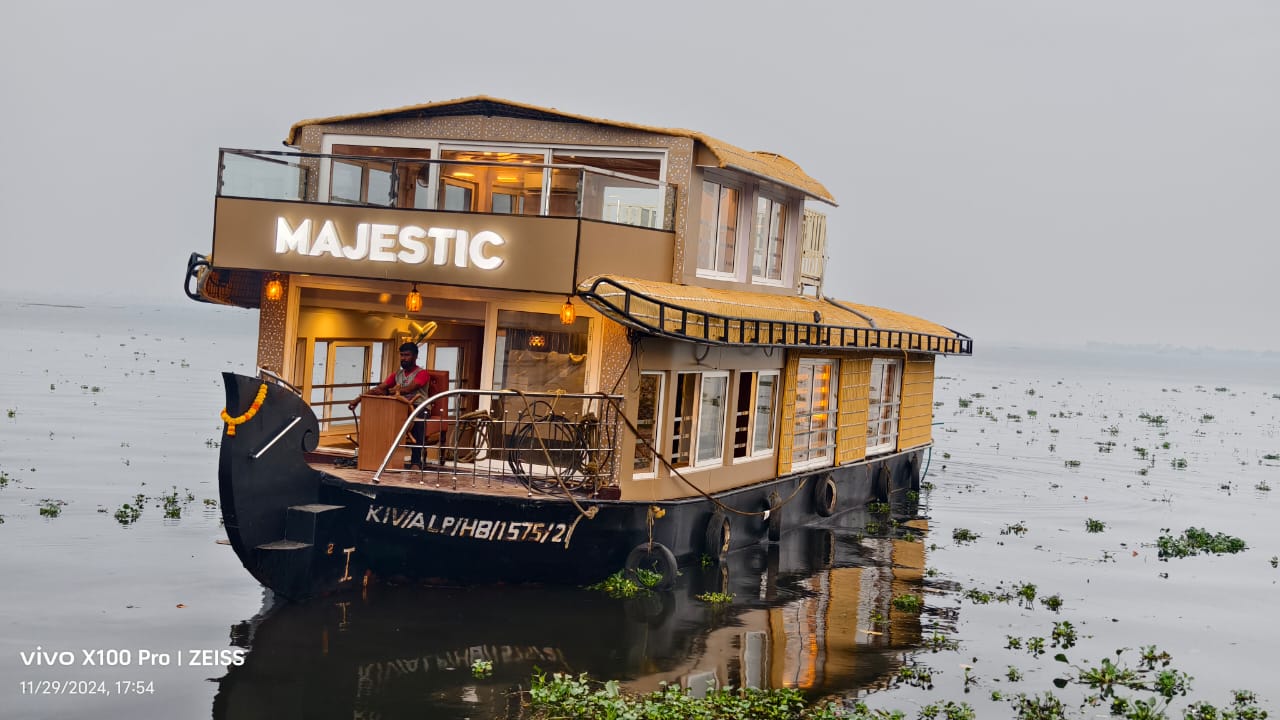
The best way to interact is to keep it simple. Around 5:30 PM, government rules require all houseboats to anchor. This is for the fishermen. They need the water clear to cast their nets. This “parking time” is your golden ticket. Once the boat ties up near a village like Kainakary, you can literally walk off the gangplank and into the community.
You’ll see kids finishing school and women washing clothes at the water’s edge. A simple “hello” goes a long way. Many locals are happy to chat or show you how they remove coconut husks. If you’re lucky, you might even see someone tapping toddy (local coconut sap) from a tree. It’s authentic, unscripted, and far better than any staged performance.
Can I Actually Walk in the Paddy Fields?
Yes, but timing is everything. The Kuttanad region is famous for being the “Rice Bowl of Kerala,” and it’s one of the few places on Earth where farming happens below sea level.
If you want to walk through these fields during your Alleppey village tour, plan your trip between October and February. This is when the emerald green stalks are at their peak. During the monsoon, many of these areas are flooded, making a stroll a bit… soggy.
Ask your captain to stop at places like the Meenappalli Paddy Field or the C-Block area. These spots have narrow levee paths. On one side, you have the canal; on the other, a vast expanse of rice. It feels like stepping into a different century.
Getting Closer via Small Boats
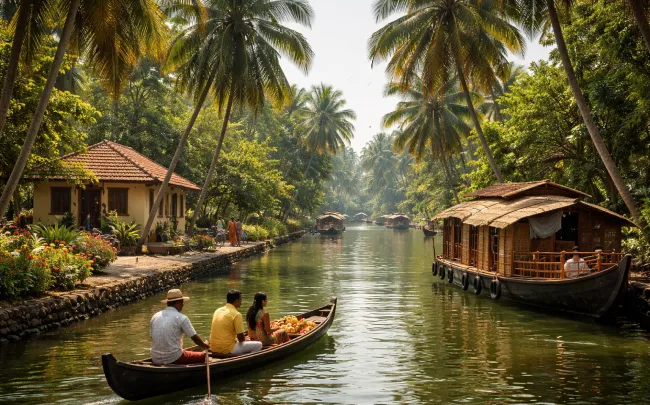
Standard houseboats are huge. They can’t fit into the “thodus” (narrow canals) where the real magic happens. If you want a deeper look at village life, ask for a canoe or shikara ride.
Places like the Kuttamangalam canal are so narrow that the trees practically touch. From a low-slung canoe, you’re at eye level with the banks. You’ll see family kitchens, small temples, and hidden tea shops. It’s the ultimate way to experience the quiet hum of the backwaters without the engine noise.
Final Thoughts
Stepping off the boat is what turns a good trip into a story. Whether you’re sharing a laugh with a local fisherman or feeling the mud of a paddy field between your toes, those are the moments that stick. Ready to see the backwaters from the ground up?
Would you like me to help you draft a custom itinerary that focuses on these specific village stops?
FAQ
Stick to the paths. These fields are someone’s livelihood, not just a photo op. Most villages have levee paths (bunds) that are perfect for walking without trampling the crops.
Many do, especially the younger generation. But honestly? A smile and a wave work in every language. Don’t overthink it; just be a respectful guest.
Early morning or right after the boat anchors at 5:30 PM. The light is incredible, the heat is down, and the village is buzzing with activity.
Absolutely. Alleppey villages are very safe and welcoming. Just keep an eye on where your boat is parked so you don’t get lost in the palm groves!